- Details
As we head into the festive season, we want to reassure you that we will still be here for you and your pet, however, with some slightly different opening hours than normal.
Please click here for the latest information on how to access our services.
Click here to find out more about our change in emergency care in early January.
As we head into the festive season, we want to reassure you that we will still be here for you and your pet, however, with some slightly different opening hours than normal.
We all want to include our pets during the Christmas festivities and treating them to something special isn’t uncommon. Read below for guidance on safe, pet-friendly foods you can give your pet this Christmas.
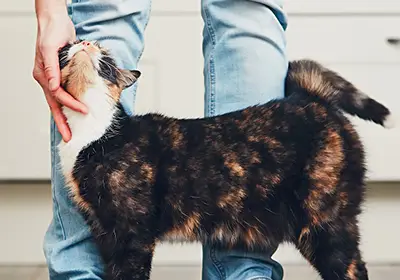
The question of whether to put a bell on your cat's collar sparks a lot of discussion among cat owners, and for good reason! There's no single right answer; what's best depends on your cat's unique personality, lifestyle, and your home environment.
We love sharing the good times with our dogs, and sometimes that means indulging them in a special treat from time-to-time.
However, together with the fun, it's crucial to be aware of hidden dangers that can be in seemingly harmless snacks. One of those dangers is xylitol, a sugar alcohol commonly used as a sweetener in many everyday products, which is perfectly safe for humans, but extremely toxic to dogs, even in small amounts.
This blog post aims to provide you with the knowledge to keep your dog in Hawick safe from xylitol poisoning. At Hawick vets we'll delve into what xylitol is, why it's dangerous for dogs, the signs and symptoms of poisoning, and the crucial steps to take if you suspect your dog has ingested xylitol.
We all know stress can take a toll on our health, but did you know it can also significantly impact your pet’s well-being? Just like us, pets experience stress and anxiety in response to various situations. Chronic stress, however, can have a detrimental effect on your pet’s physical and mental health.
Our pets bring us countless moments of joy and unconditional love throughout their lives. As they enter their senior years, however, their needs can change. They may become less energetic, require adjustments to their diet and environment, and be more susceptible to certain health concerns.
Understanding these changes and making adjustments to their care routine is essential for ensuring their continued happiness and wellbeing in their golden years. Senior pet insurance can also play a valuable role in providing financial security for their potential future veterinary needs.
Summer is a time for fun in the sun, and many of us enjoy spending time outdoors with our pets, however, on the surface of ponds and lakes can be a hidden danger: blue-green algae. While not all algae are harmful, blue-green algae (also known as cyanobacteria) can produce extremely dangerous toxins and be fatal to dogs.
At Hawick Vets, we want to ensure you and your dog have a safe and enjoyable time outdoors, so, here's what you need to know about blue-green algae and how to keep your dog safe.
Summer in Hawick is a time for fun in the sun, but it's important to remember that the warm weather can be just as uncomfortable for our pets. As dog owners, it's our responsibility to ensure they stay safe and stay cool in the warm weather.
Don't let the heat slow you down! With a few essential tips and tricks from Hawick Vets, you can make summer walks enjoyable experiences for you both.
Keeping your pet's claws trimmed in Hawick is an essential part of their overall health and well-being. Long nails can cause discomfort, make walking difficult and even lead to accidental injuries to both you and your pet.
While clipping your pet's claws might seem daunting at first, with a little practice and the right approach, it can become a quick and stress-free experience for both of you. Here at Hawick Vets, we're dedicated to helping you provide the best care for your pet, therefore, this guide offers some helpful tips and tricks for clipping your pet's claws safely and effectively.
Our cats in Hawick commonly experience four types of allergies: insects (fleas), food allergies, atopic dermatitis (triggered by house dust, pollen, and moulds) and contact allergies. While they exhibit shared physical expressions and signs, each allergy type also presents unique features. If you believe your cat is showing signs of an allergy, then speaking to a vet at Hawick Vets to help you find a solution for making your cat more comfortable and improving their quality of life.
Page 1 of 15
01450 372038In an emergency outside of normal hours, please call us.
[email protected]Emails are read during weekday working hours.